
Affiliate marketing helps you reach your audience through trusted channels — and with the latest industry shifts, there are new opportunities to grow your impact and income.
Digital marketing is often expensive and unpredictable. Traditional channels like paid search ads, social media promotions, and content marketing require heavy investments and lots of trial and error. But there’s a smarter way to scale your ecommerce brand: affiliate marketing.
Affiliate marketing trends flips the script by rewarding partners only when they deliver measurable results—clicks, leads, or sales. Instead of paying upfront for uncertain returns, you pay affiliates (bloggers, influencers, or podcasters) a commission only when a customer buys through their unique referral link.
“Affiliate marketing stands out because it’s entirely results-driven,” says Cristina, marketing strategist at AffiliateGrip.com. “You’re not throwing money at ads and hoping for the best—you only pay when there’s a measurable outcome. It’s a smarter, more efficient way to grow your business.”
With the affiliate marketing industry projected to reach $12 billion in 2025, it’s clear this model is gaining serious traction. Here are the biggest trends to know this year:
1. Savvy, Skeptical Shoppers

Millennials and Gen Z are hyper-connected and well-informed. They research products thoroughly, trust peer reviews, and are quick to dismiss generic ads.
“Today’s shoppers are incredibly savvy,” Cristina explains. “They scroll multiple platforms daily and can spot inauthentic promotions instantly.”
To earn their trust, brands need to collaborate with affiliates who genuinely align with their values and speak authentically to their audience.
2. Mobile-First Experiences

According to the affiliate marketing trends most affiliate traffic now happens on mobile. Brands must prioritize mobile-responsive landing pages and seamless checkout flows.
“Mobile is where the clicks are,” Cristina adds. “Fast-loading, intuitive mobile sites are key to affiliate conversions.”
Think deep linking, one-click checkout, and native app integration to remove friction and boost sales.
3. Video and Livestream Commerce
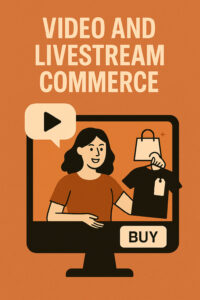
Live shopping is gaining momentum, especially on Tik-Tok Live and Instagram Live. By 2026, over 5% of ecommerce sales in North America are expected to come from livestreams.
Partner with affiliates who host engaging livestreams and offer exclusive promo codes to encourage immediate conversions.
“Thanks to new tech and content formats, nearly anyone can be an affiliate now,” Cristina notes.
4. Privacy-First Tracking

With third-party cookies being phased out, affiliate marketers must adopt privacy-compliant tracking solutions. First-party data, email lists, and cookie less affiliate links are becoming essential for accurate performance tracking.
5. Purpose-Driven Partnerships

Consumers are drawn to brands that reflect their values. Nearly 66% are willing to pay more for sustainable products.
“Ethical, mission-aligned affiliate partnerships are incredibly effective,” says Cristina. She shares an example of a pet brand that partnered with animal shelters: new dog adopters received free treats with a QR code leading to a subscription. The campaign was so successful it scaled nationwide.
6. Affiliates Beyond Influencers

Affiliate marketing isn’t limited to bloggers and influencers. Offline affiliates like local businesses, nonprofits, and community leaders can drive conversions through QR codes, referral flyers, and events.
“Your affiliate budget can support more than just digital platforms,” Cristina explains. “Think creatively about partnerships.”
7. AI-Powered Optimization

AI tools are transforming affiliate marketing trends by identifying ideal partners, analyzing performance data, and optimizing campaigns.
“AI does the heavy lifting—vetting affiliates, scanning content quality, and matching the right audiences,” Cristina shares. One brand onboarded 900+ affiliates using AI and saw a 30% boost in revenue.
8.Blending Influencer & Affiliate Marketing

Historically, influencers focused on awareness (top of funnel), while affiliates focused on conversions (bottom of funnel). But today, the lines are blurring.
“Affiliates now build awareness, and influencers drive sales,” Cristina says. “Combining both creates a full-funnel strategy that engages buyers at every stage.”
Affiliate programs are growing fast. Best Forex & Crypto programs in 2025.
Affiliate Marketing FAQ: 2025 Edition
Is affiliate marketing still relevant in 2025?
Yes! The market is growing fast, with projections hitting $12 billion this year. Brands love it because it’s cost-effective and performance-based.
What will affiliate marketing look like in five years?
Expect more automation, AI integration, and the merging of influencer and affiliate strategies. Authenticity, social proof, and data-driven decisions will define success.
Why is affiliate marketing essential for ecommerce growth?
It’s low-risk and scalable. Affiliates bring access to new audiences, built-in trust, and measurable sales results—without massive upfront costs.
By staying on top of these 2025 affiliate marketing trends, ecommerce brands can build smarter, stronger partnerships that deliver consistent and sustainable growth.
https://affiliatemarketinfo.com/affiliate-marketing-success-story/
https://affiliatemarketinfo.com/affiliate-marketing-for-beginners-steps-to-get-started-in-2025/


One thought on “Affiliate Marketing Trends You Must-Know in 2025”